
Building
Why Building Your Sports Game Belongs Under Build
May 05, 2026
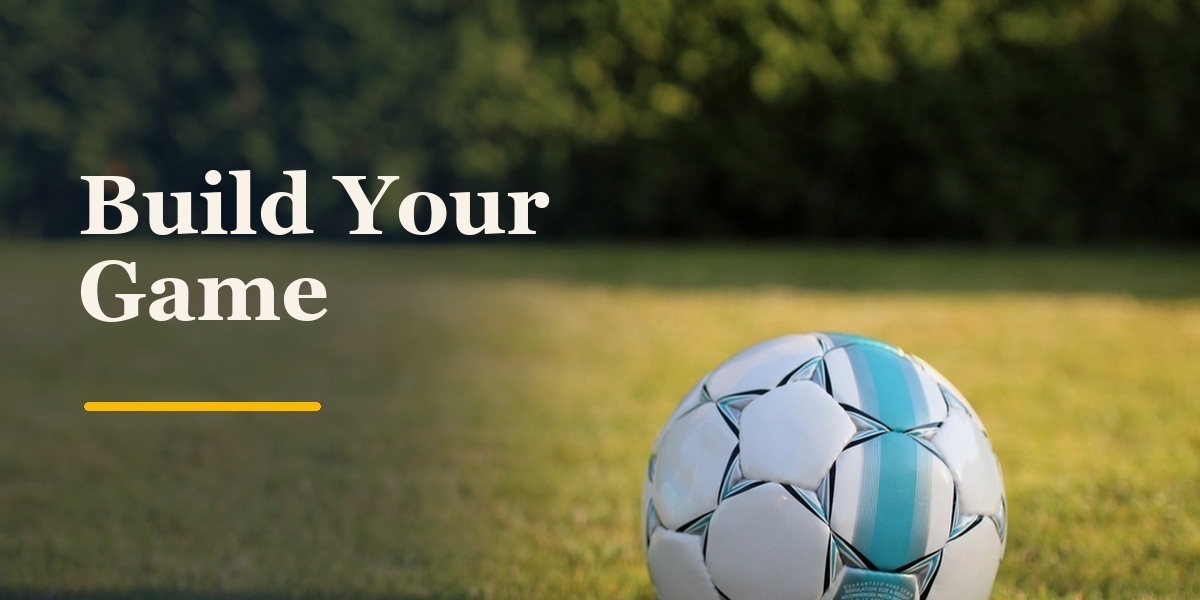
When families hear the word "build," they often picture something on a table. LEGOs. A craft project. Maybe coding. All of that counts. But it is not the whole picture. A child working on a jump shot, a tennis serve, a swim stroke...
When families hear the word "build," they often picture something on a table.
LEGOs. A craft project. Maybe coding.
All of that counts. But it is not the whole picture. A child working on a jump shot, a tennis serve, a swim stroke, or a soccer pass is building too. They may not come inside holding a finished object, but something real is still taking shape. A skill is getting sharper. A habit is getting stronger. A body is getting more capable. A child is learning what practice can do.
That is why building your sports game belongs under Build.
In the ReadWriteBuild manifesto, Build includes "a sport practiced until the move feels natural." That line gets at something many families already know: sports are not just exercise, and they are not only entertainment. They are one more place where children learn that effort changes outcomes.
Yes, they are getting stronger, more coordinated, and more aware of what their body can do. They are learning endurance, balance, timing, and control.
But they are also growing in less visible ways.
Sports ask children to focus when they would rather drift. They ask for patience when progress comes slowly. They ask for resilience when a shot misses, a race goes badly, a correction stings, or a season feels harder than expected.
They also build teamwork and persistence through challenge. In team sports, kids learn how to support other people, communicate under pressure, and do their part even when they are not in the spotlight. In individual sports, they still learn how to take correction, stay with a process, and keep going when the work is repetitive.
That is one reason sports matter so much. A child may begin by wanting to score more goals or make more baskets, but over time they are becoming steadier, tougher, and more confident in ways that carry well beyond the game.
We have all seen the difference between a child who believes effort matters and a child who assumes frustration means they should stop. Sports can help build that first kind of mindset. A child learns, very practically, that one more drill, one more lap, one more practice, one more week can make something feel different.
You cannot always point to improved footwork, stronger focus, endurance, or patience the way you can point to a birdhouse or a LEGO set. But that does not make those gains less real.
A child who practices until a movement feels natural is learning that growth is not magic. A child who keeps working when a skill does not come easily is learning that "not good at it yet" is not the same thing as "not made for it." That is Build in one of its clearest forms.
ReadWriteBuild is not just for books, stories, crafts, or coding. It is for the bigger family picture of what children are becoming through steady practice. If your child is working on basketball, soccer, baseball, gymnastics, track, swimming, martial arts, tennis, golf, dance, or another sport, that can be part of Build. You can add the sport as a Build project, then log each session as you go. A short skill session after school. An hour at practice. A weekend game. A quick note about what improved. A photo from the field, court, pool, or gym.
Over time, those entries tell a story. They show how often your child showed up, what they were working on, and the quiet progress that is easy to forget when you only look at one game or one day. That is part of what makes tracking so useful. ReadWriteBuild gives families a way to keep that kind of progress visible over time instead of letting it disappear into the blur of a busy season.
Not just a game.
Not just an extracurricular.
Something deeper.
So this week, consider treating sports practice like what it really is: Build. And if you want a simple way to keep that progress visible, you can add your child's sport as a Build project in ReadWriteBuild and start logging the sessions that are already shaping them over time. Get started here: https://readwritebuild.com/membership.
LEGOs. A craft project. Maybe coding.
All of that counts. But it is not the whole picture. A child working on a jump shot, a tennis serve, a swim stroke, or a soccer pass is building too. They may not come inside holding a finished object, but something real is still taking shape. A skill is getting sharper. A habit is getting stronger. A body is getting more capable. A child is learning what practice can do.
That is why building your sports game belongs under Build.
In the ReadWriteBuild manifesto, Build includes "a sport practiced until the move feels natural." That line gets at something many families already know: sports are not just exercise, and they are not only entertainment. They are one more place where children learn that effort changes outcomes.
Sports Grow More Than Performance
When a child practices a sport consistently, the gains are not limited to the scoreboard.Yes, they are getting stronger, more coordinated, and more aware of what their body can do. They are learning endurance, balance, timing, and control.
But they are also growing in less visible ways.
Sports ask children to focus when they would rather drift. They ask for patience when progress comes slowly. They ask for resilience when a shot misses, a race goes badly, a correction stings, or a season feels harder than expected.
They also build teamwork and persistence through challenge. In team sports, kids learn how to support other people, communicate under pressure, and do their part even when they are not in the spotlight. In individual sports, they still learn how to take correction, stay with a process, and keep going when the work is repetitive.
That is one reason sports matter so much. A child may begin by wanting to score more goals or make more baskets, but over time they are becoming steadier, tougher, and more confident in ways that carry well beyond the game.
We have all seen the difference between a child who believes effort matters and a child who assumes frustration means they should stop. Sports can help build that first kind of mindset. A child learns, very practically, that one more drill, one more lap, one more practice, one more week can make something feel different.
Not Every Kind of Build Ends Up on a Shelf
Sometimes the best kinds of building are easy to miss because they do not leave behind a physical object.You cannot always point to improved footwork, stronger focus, endurance, or patience the way you can point to a birdhouse or a LEGO set. But that does not make those gains less real.
A child who practices until a movement feels natural is learning that growth is not magic. A child who keeps working when a skill does not come easily is learning that "not good at it yet" is not the same thing as "not made for it." That is Build in one of its clearest forms.
Why This Fits Naturally Inside ReadWriteBuild
This is exactly why sports belong inside the Build category.ReadWriteBuild is not just for books, stories, crafts, or coding. It is for the bigger family picture of what children are becoming through steady practice. If your child is working on basketball, soccer, baseball, gymnastics, track, swimming, martial arts, tennis, golf, dance, or another sport, that can be part of Build. You can add the sport as a Build project, then log each session as you go. A short skill session after school. An hour at practice. A weekend game. A quick note about what improved. A photo from the field, court, pool, or gym.
Over time, those entries tell a story. They show how often your child showed up, what they were working on, and the quiet progress that is easy to forget when you only look at one game or one day. That is part of what makes tracking so useful. ReadWriteBuild gives families a way to keep that kind of progress visible over time instead of letting it disappear into the blur of a busy season.
Start Tracking the Build that is Already Happening
If your child is already practicing a sport, they are already building something worth noticing.Not just a game.
Not just an extracurricular.
Something deeper.
So this week, consider treating sports practice like what it really is: Build. And if you want a simple way to keep that progress visible, you can add your child's sport as a Build project in ReadWriteBuild and start logging the sessions that are already shaping them over time. Get started here: https://readwritebuild.com/membership.